The Hidden Dangers of Skipping Periodontal Treatment
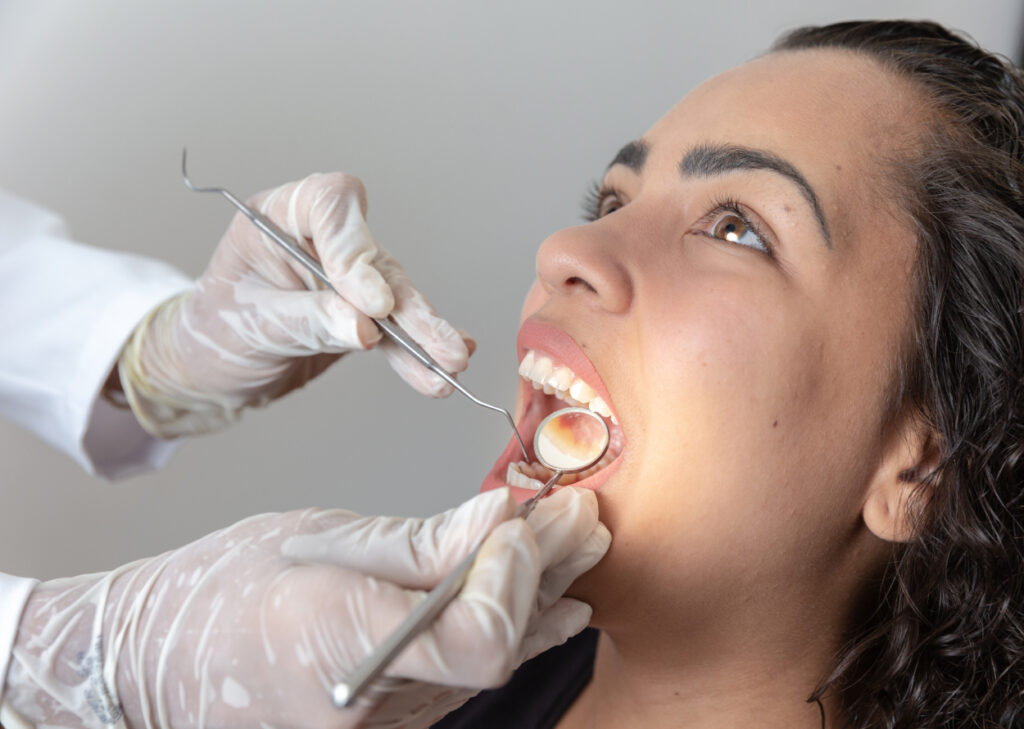
Most people do not ignore gum disease because they are careless. They ignore it because it is quiet.
A cavity usually announces itself. A cracked tooth often hurts when you bite. A broken filling feels obvious. Periodontal problems, especially in the early and middle stages, can move almost silently. There may be a little bleeding in the sink, a faint bad taste, some puffiness along the gumline, or a comment from a hygienist that pockets are getting deeper. Life is busy, the discomfort is tolerable, and treatment gets pushed down the list.
That delay is where real damage begins.
Periodontal Treatment is not cosmetic maintenance. It is medical care for the tissues and bone that support the teeth. When it is postponed or skipped, the issue does not stay neatly confined to the gums. It affects chewing, speech, appearance, long term dental costs, and in some patients, broader health concerns as well. The danger lies partly in what people can see, such as receding gums or loose teeth, and partly in what they cannot, such as bone loss progressing under the surface.
Dentists and periodontists see the same pattern repeatedly. A patient who felt “basically fine” six months or a year earlier returns with worsening pocket depths, heavier bleeding, mobility in one or more teeth, and radiographs that show the support around the teeth has diminished. At that point, the treatment is usually more involved, more expensive, and less predictable than it would have been at the start.
What periodontal disease is really doing beneath the surface
Periodontal disease starts with bacterial biofilm, commonly called plaque, that collects around the teeth and below the gumline. If it is not adequately disrupted with daily care and regular professional cleanings, it can trigger inflammation in the gums. Early inflammation, or gingivitis, is often reversible. The gums may look redder, feel tender, or bleed with brushing and flossing. Many people assume that bleeding means they should brush less aggressively or avoid the sore area. In reality, bleeding is often a sign that the tissue is inflamed.
If the condition progresses beyond gingivitis, the supporting structures around the teeth become involved. This is periodontitis. At that stage, the attachment between tooth and gum weakens, pockets deepen, and bone can begin to resorb. The body’s inflammatory response, combined with bacterial toxins, starts to dismantle the framework that holds the teeth in place.
The important point is that periodontitis is not simply “dirty teeth” or “sore gums.” It is a chronic inflammatory disease affecting living tissue and supporting bone. Once bone is lost, getting back to the original architecture is difficult, and in many cases impossible without significant intervention. Even then, regeneration has limits.
The danger of waiting for pain
One of the most damaging misconceptions in dentistry is the idea that a problem is minor if it does not hurt.
Many periodontal conditions do not produce strong pain until they are advanced or complicated by infection. A person can have active disease, measurable attachment loss, and deep periodontal pockets while still eating normally and sleeping fine. By the time pain becomes a main symptom, the picture may include a periodontal abscess, significant mobility, exposed root surfaces, or trapped food and debris irritating already compromised tissue.
I have heard variations of the same sentence from patients for years: “If it were serious, I thought it would hurt.” That assumption has cost many people teeth that might have been saved with earlier Periodontal Treatment.
Pain is a poor screening tool for gum disease. Bleeding, persistent bad breath, gum recession, changes in how the teeth fit together, and food catching in places where it never used to catch are often far more meaningful warning signs.
Bone loss does not reverse itself just because symptoms settle down
A swollen gum can calm down for a while. Bleeding can lessen if someone changes toothpaste, rinses more often, or simply avoids the spot that bleeds. None of that means the underlying disease has resolved.
This is where patients can be lulled into a false sense of security. Periodontal disease can flare and quiet down in cycles. The absence of dramatic symptoms over a few weeks does not mean the tissues are healthy. The deeper concern is cumulative destruction over time. Every month of unmanaged inflammation can contribute to more attachment loss, more recession, and more bone changes.
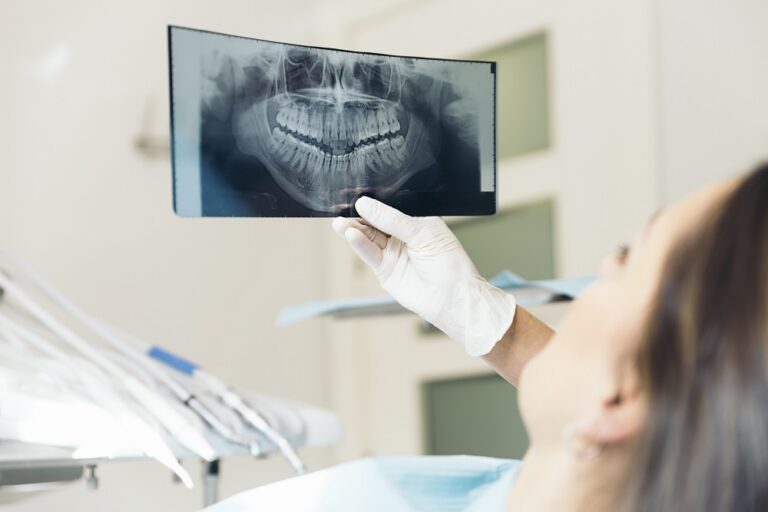
On x rays, those changes can be sobering. Teeth that looked solid years earlier begin to show reduced support, and that support is what determines long term stability. A tooth can have no cavity and an intact crown, yet still be at risk because the foundation beneath it is failing.
Loose teeth are often a late chapter, not the first sign
Many patients think loose teeth are the moment periodontal disease starts to matter. In practice, mobility often means the disease has already had a long runway.
Teeth do not become loose overnight unless trauma or acute infection is involved. More often, mobility appears after gradual loss of the ligament and bone that hold the tooth in position. Some patients first notice it when biting into something firm, such as a sandwich crust or an apple. Others notice that their front teeth have shifted, creating spaces that were never there before. Sometimes the concern is cosmetic first, and functional second.
Once teeth begin to move, treatment planning becomes more complex. The clinician has to assess whether the looseness is due primarily to periodontal support loss, bite forces, clenching, inflammation, or a combination of factors. Stabilization may require more than a deep cleaning. It can involve splinting, occlusal adjustment, surgery, extraction of hopeless teeth, or replacement options that were entirely avoidable earlier.
The cost curve gets steeper the longer treatment is delayed
Patients often postpone Periodontal Treatment because they are worried about cost. That concern is understandable. Dental care can be expensive, and insurance coverage varies wildly. The frustrating reality is that delay usually raises the bill.
A patient who addresses early or moderate disease may need non surgical scaling and root planing, improved home care, more frequent maintenance visits, and close monitoring. A patient who waits may need periodontal surgery, localized antibiotics, extraction of unsalvageable teeth, bone grafting, ridge preservation, temporary appliances, implant planning, and restorative work to replace what was lost.
The difference between those two paths can be measured in thousands of dollars.
There is also the cost that never appears on an estimate. Time away from work, repeated appointments, disrupted eating, anxiety about appearance, and the emotional stress of hearing that a natural tooth cannot be saved all carry weight. Patients rarely factor those burdens in when they decide to “watch it for now.”
The mouth is a system, not a row of isolated teeth
One untreated periodontal area can start affecting neighboring teeth and the bite as a whole. When a back tooth becomes tender or loose, patients unconsciously chew on the other side. When front teeth drift, the bite can change in subtle ways that place new stress on the rest of the mouth. When a tooth is lost, adjacent teeth can shift and the opposing tooth can overerupt over time.
The result is that one neglected site can begin to create a chain of compromises. It is not always dramatic. Sometimes it shows up as increased wear, muscle tension, food traps, or repeated chipping of dental work. Sometimes it is more obvious, such as a collapsing bite or visible spacing in the smile.
This is why experienced clinicians often sound more concerned than patients expect when they discuss periodontal findings. They are not reacting only to what is present today. They are anticipating what the current condition will do to the rest of the dental system if left alone.
Bad breath and gum disease have a stubborn relationship
Persistent bad breath can come from many sources, but active periodontal disease is a common one. Bacteria thriving in deep pockets produce compounds with a strong, unpleasant odor. Mouthwash may temporarily mask it, but it does not remove the source. Mints do not fix it either.
This issue often has a social impact that patients minimize until it becomes hard to ignore. They speak closer to people, notice a reaction, and become self conscious. Some start brushing more frequently, which can help a little at the surface level, but brushing alone cannot clean deep periodontal pockets.
When proper Periodontal Treatment reduces inflammation and bacterial load, breath often improves markedly. That change can happen faster than patients expect, which is one reason many say they wish they had addressed the problem sooner.
Receding gums are not just an aesthetic problem
Gum recession tends to get dismissed as a cosmetic issue until sensitivity starts. Cold air, cold drinks, and sweets can trigger sharp discomfort because root surfaces are more exposed. Roots are softer than enamel and more vulnerable to wear and decay. A person who never had cavities in the visible part of the tooth may begin developing root decay near the gumline, where treatment can be tricky.
Recession also changes the look of the smile. Teeth can appear longer, darker near the roots, or uneven along the gumline. For some patients, especially those with a high smile line, that is deeply distressing. They may focus on whitening or veneers when the more urgent issue is stabilizing the periodontium.
There is a practical side too. Recession can create grooves and contours that are harder to clean. If attachment loss is still active, the exposed areas become part of a cycle of plaque retention, inflammation, and further damage.
Some of the most serious consequences arrive during “maintenance neglect”
Not every patient skips initial treatment outright. A surprising number start treatment, feel better, and then stop attending periodontal maintenance visits. This can be almost as risky as never starting care at all.
After active therapy, maintenance matters because periodontal patients do not return to a completely risk free state. They need a schedule designed around their biology, dexterity, medical history, smoking status, and disease severity. For many people, that means maintenance every three or four months rather than a standard six month cleaning. The reason is not to fill the calendar. It is because bacterial repopulation and inflammation can re establish themselves quickly in susceptible mouths.
Patients sometimes interpret maintenance as optional because https://myleslemm111.greyhavendaily.com/posts/best-aftercare-tips-following-periodontal-treatment the treatment phase is over. Clinically, it is part of the treatment. Missing repeated maintenance visits can allow pockets to deepen again and disease to reactivate before the patient notices obvious changes.
Smoking, diabetes, stress, and dry mouth raise the stakes
Periodontal disease does not behave the same way in every patient. Certain risk factors make delay more dangerous.
Smoking is a major one. Smokers can show less visible bleeding despite substantial disease activity, which makes the condition easier to underestimate. Healing is also less predictable. Diabetes, particularly when not well controlled, can worsen inflammation and impair the body’s response to infection. Chronic dry mouth can shift the oral environment in ways that favor disease progression. High stress and clenching habits can compound tissue breakdown and make mobility worse.
These factors do not mean treatment is pointless. Quite the opposite. They mean tailored care is more important. In real practice, the patients who do best are often not the ones with perfect health histories, but the ones who understand their risk profile and stay engaged with care.
Periodontal disease can complicate restorative and cosmetic dentistry
Patients are often eager to improve the appearance or function of their teeth with crowns, bridges, implants, orthodontics, or veneers. Those treatments depend on healthy periodontal support. If the gums and bone are unstable, the nicest dentistry in the world sits on a poor foundation.
A crown placed on a tooth with active periodontal disease may not have a long future if support continues to disappear. Orthodontic movement in an unhealthy periodontium can create serious problems. Implant planning becomes far more complicated when a patient has untreated gum disease or a history of severe bone loss.
This creates a frustrating scenario that clinicians see often. A patient wants to move quickly into cosmetic or reconstructive work, but the right answer is to pause and stabilize the periodontal condition first. That can feel like a delay, but it is actually the step that protects the investment.
Warning signs people should not ignore
Some symptoms deserve prompt professional attention because they suggest active disease or progression. If a patient tells me any combination of the following has been happening for weeks or months, I become concerned quickly:
- gums that bleed during brushing or flossing
- persistent bad breath or a sour taste
- gums pulling away from the teeth
- spaces opening between teeth or teeth shifting position
- tenderness, swelling, or a tooth that feels slightly loose
None of these automatically means severe periodontitis is present, but each one justifies an exam. Waiting to see whether the problem “settles down” is rarely a sound strategy if those signs keep returning.
What treatment often looks like, and why people are relieved after starting
Periodontal Treatment is a broad term, and patients sometimes imagine something harsher than what is actually recommended. Early treatment may involve scaling above and below the gumline, root planing in affected areas, detailed home care instruction, possible antimicrobial support, and follow up measurements to see how the tissues respond. In some cases, referral to a periodontist is the best route, especially when defects are complex or surgery may be needed.
Many patients feel anxious before treatment because they associate deep cleaning with pain or assume the process will be overwhelming. What they often report afterward is relief. Their mouth feels cleaner, bleeding decreases, breath improves, and they finally understand what has been happening. Not every case resolves neatly, and some patients do require surgery or staged care, but the first step is usually more manageable than fear suggested.
A practical treatment course commonly includes:
- a periodontal exam with measurements and imaging
- initial therapy to remove deposits below the gumline
- reevaluation to check healing and pocket changes
- maintenance visits at intervals based on individual risk
That sequence matters because periodontal care is measured by response, not just by the procedure itself. Two patients with similar pocket depths on paper may heal very differently depending on smoking, home care, diabetes status, bite forces, and anatomy.
Why home care alone cannot fix established periodontitis
This is another point worth stating clearly. Good brushing and flossing are essential, but once periodontitis is established, home care by itself is usually not enough. Patients sometimes become highly motivated after hearing they have gum disease and start brushing longer, buying water flossers, and using every rinse on the shelf. Motivation helps, but it does not replace professional disruption of the bacterial deposits under the gumline or assessment of how much support has already been lost.
Think of home care as the daily work that supports healing and helps prevent recurrence. It is not a substitute for diagnosing the depth and extent of the disease. Used well, it can transform outcomes after professional treatment. Used alone in a moderate or advanced case, it often acts more like damage control than a solution.
Tooth loss changes more than your smile
When untreated periodontal disease leads to extraction, the consequences continue beyond the day the tooth is removed. Chewing efficiency changes. Food choices often narrow without people fully realizing it. Some avoid firmer, healthier foods because they are harder to manage. Speech can be affected, particularly when front teeth are involved. Bone in the area can resorb after extraction, which complicates future replacement.
There is also a psychological component that should not be brushed aside. Many adults take pride in keeping their natural teeth. Losing one because of preventable gum disease can feel like a personal failure, even when the real problem was delayed diagnosis, financial strain, dental anxiety, or years of mixed messages. Patients carry that disappointment. Good clinicians know this and try to address it with honesty and compassion, not blame.
The best time to act is earlier than most people think
People often assume they need dramatic symptoms before pursuing care. That threshold is too late. If a dentist, hygienist, or periodontist has recommended evaluation or treatment for bleeding gums, deep pockets, bone loss, or recession, that recommendation is based on measurable findings, not guesswork.
The hidden danger of skipping Periodontal Treatment is that the disease keeps working while life carries on. Teeth can still look acceptable in photos. Meals can still feel mostly normal. There may be no urgent pain to force action. Meanwhile, the support around the teeth can be steadily diminishing.
Prompt treatment does not guarantee a perfect outcome, because biology is never that simple. It does, however, preserve options. It increases the odds of keeping natural teeth longer, reducing future costs, avoiding extensive procedures, and maintaining comfort and confidence in daily life.
That is the central truth of periodontal care. What gets saved early is not just gum tissue. It is time, structure, money, function, and often a great deal of regret.
Avra Dental
Address: 1708 S Victoria Ave B, Ventura, CA 93003
Phone number: (805) 941-1001
FAQ About Periodontal Treatment
Can a dentist get rid of periodontal disease?
A dentist or gum specialist (periodontist) cannot fully cure or reverse advanced periodontal disease (periodontitis), but they can successfully stop its progression and manage the infection.
Is periodontitis very serious?
Yes, periodontitis is a very serious, advanced form of gum disease that destroys the bone and tissues supporting your teeth.
How is stage 2 periodontal disease treated?
Stage 2 periodontal disease (early to moderate periodontitis) is primarily treated with non-surgical deep cleaning procedures like scaling and root planing to remove bacteria and tartar below the gumline.
Corrections
Spot something wrong? Send it to the desk and it gets fixed in the open.